
SEND and additional needs
At Woodlands Infant School, we are committed to ensuring that every child is included, supported and able to take part fully in school life. We recognise that children develop and learn in different ways, and some children may need additional support at different points in their school journey.
Our aim is to know every child well. We work closely with families, staff and other professionals so that we can understand each child’s strengths, needs and the things that help them to feel safe, confident and ready to learn.
What does SEND mean?
SEND stands for Special Educational Needs and Disabilities. A child may have SEND if they need support that is different from, or additional to, what is usually provided for children of the same age.
Children may need support with:
- Communication and interaction
- Cognition and learning
- Social, emotional and mental health
- Sensory or physical needs
Some children may need support for a short period of time. Others may need more ongoing support. We always aim to respond to children as individuals, rather than using a one-size-fits-all approach.
How we identify and support children
Staff at Woodlands carefully observe and assess children’s learning, development, communication, behaviour and wellbeing. If we think a child may need additional support, we will speak with parents and carers so that we can work together.
We use a graduated approach to support. This means we:
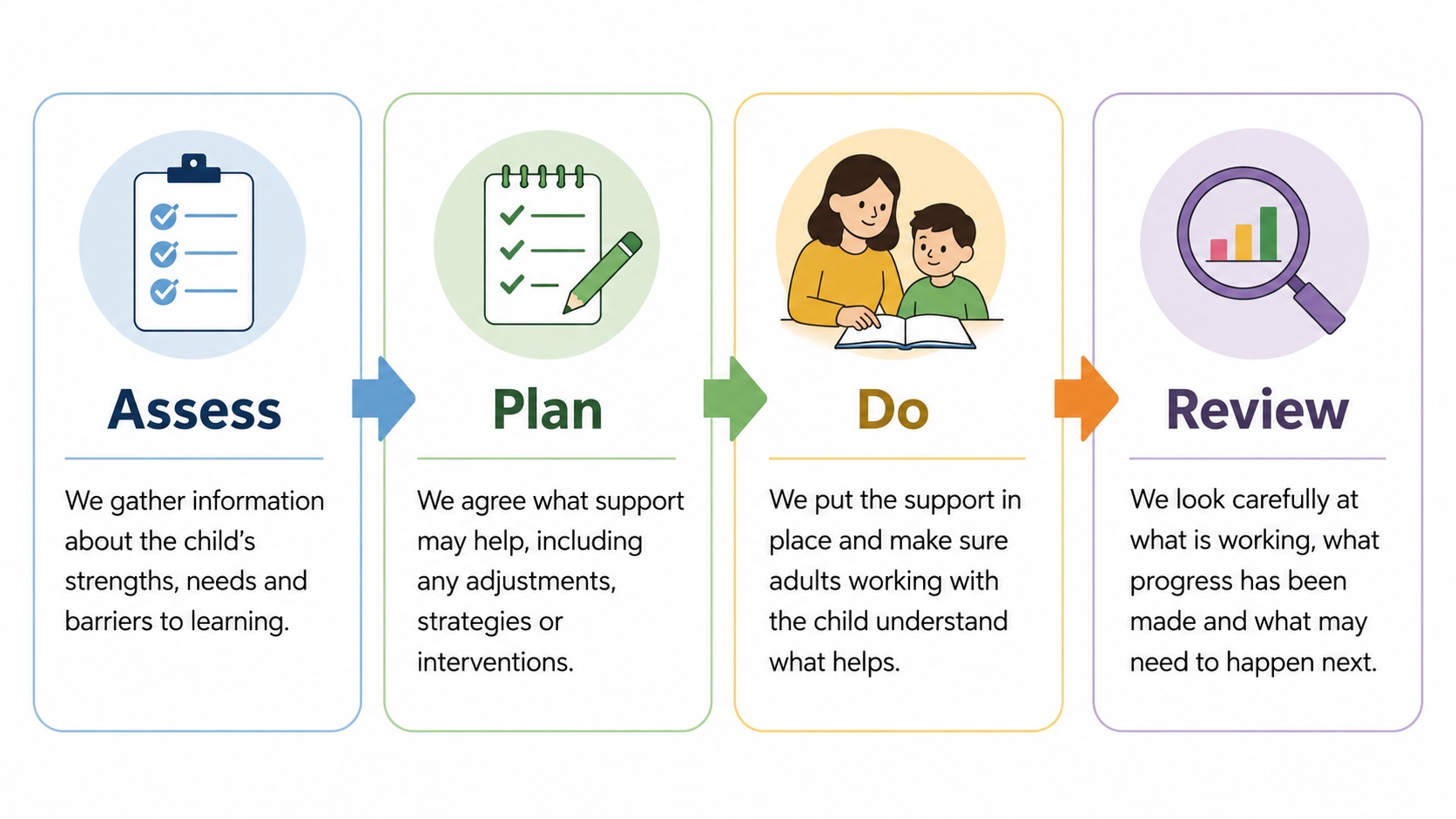
Parents and carers are an important part of this process. We value your knowledge of your child and want to work in partnership with you.
Support in school
Support for pupils with SEND may include:
- Adapted teaching within the classroom
- Visual supports and practical resources
- Small group work
- Individual targets
- Additional adult support
- Speech and language support strategies
- Social and emotional support
- Sensory resources or movement breaks
- Support with transitions
- Individual workstations where helpful
- Pastoral or nurture-based support
- Advice from external professionals where appropriate
The support offered will depend on the individual child’s needs. We regularly review provision so that it remains appropriate and purposeful.
Working with families
We know that families know their children best. If you have concerns about your child’s learning, development, behaviour, communication, sensory needs or emotional wellbe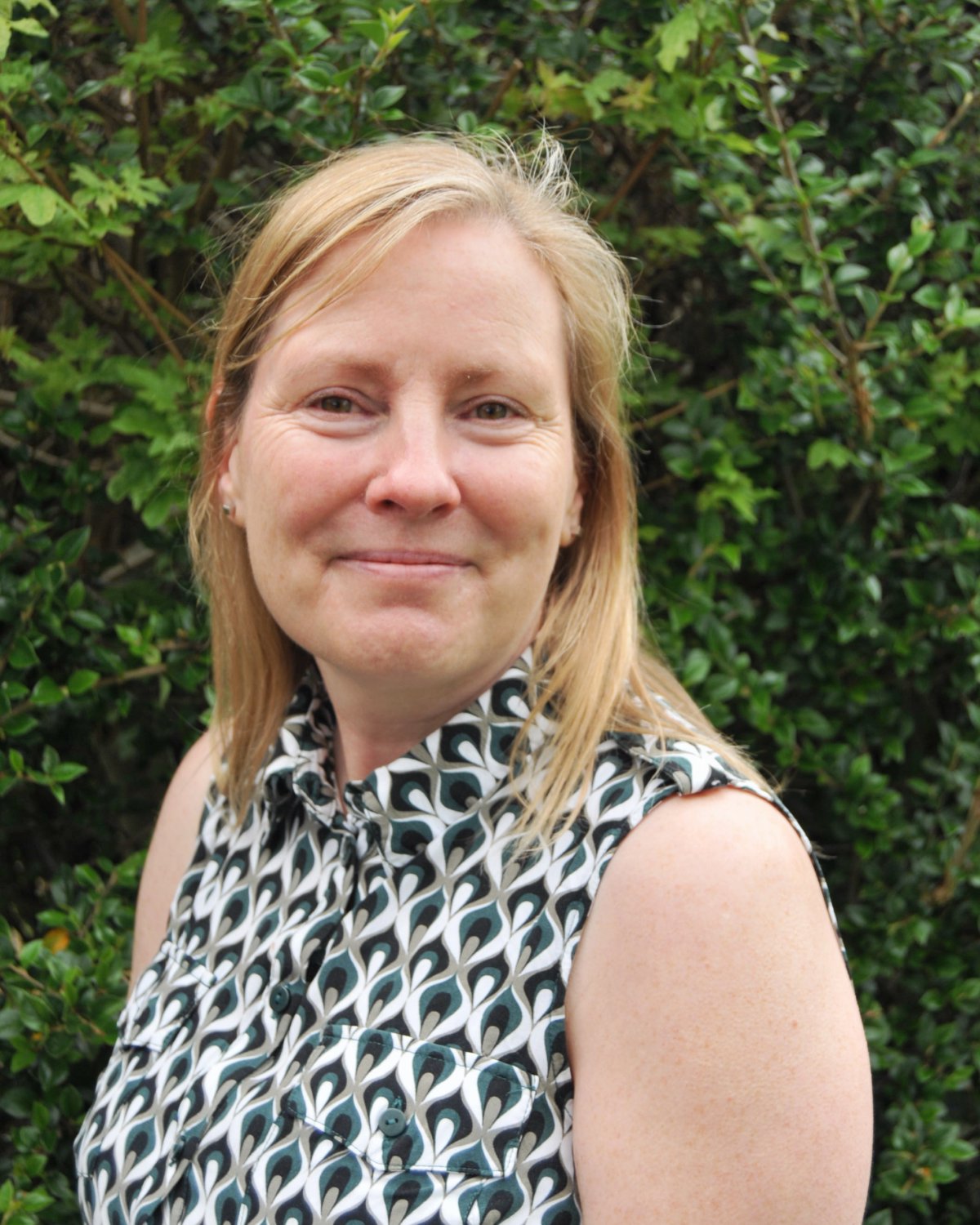 ing, please speak to your child’s class teacher in the first instance.
You can also speak to our SENDCo and Inclusion Lead, Mrs Gaynor Knowles. She works with staff, families and outside agencies to help plan support for children with additional needs.
We will always aim to listen carefully, respond sensitively and work with you to understand what your child needs.
Working with other professionals
Sometimes, it may be helpful to seek advice from professionals outside school. This might include services such as speech and language therapy, educational psychology, specialist teaching services, health professionals, mental health and wellbeing services or Early Help or family support services.
We will talk to parents and carers before making referrals or seeking additional advice, unless there is a safeguarding reason why this is not possible.
Inclusion and belonging
Having additional needs should never mean that a child feels separate from school life. We want all pupils to feel that they belong, are valued and can contribute to their class and school community.
We support children to take part in learning, playtimes, assemblies, visits, special events and the wider life of the school. Where needed, we make reasonable adjustments so that children can access opportunities safely and successfully.
Useful documents
You can find more detailed information about how we support children with SEND in the following documents:
- SEND Information Report
- SEND Policy
- Accessibility Plan
- Equality Information and Objectives
- Behaviour and Anti-Bullying Policy
- Safeguarding and Child Protection Policy
These documents explain our approach in more detail, including how we identify needs, plan support, review progress and work with families and other professionals.
If you are worried about your child or would like to talk to someone, please contact the school office and ask to speak to your child’s class teacher or the SENDCo.