
Support in every classroom
At Woodlands Infant School, inclusion is not something separate from everyday school life. It is part of what happens in every classroom, every day.
We know that children learn best when they feel safe, settled and understood. We also know that different children need different things to help them feel ready to learn. For some children, this may be a quiet space, a visual timetable, a movement break, a wobble cushion, ear defenders or time with a trusted adult. These are not seen as extras. They are part of how we make sure children can access the classroom, feel included and be successful.
Our classrooms are designed to help children feel that they belong. Children are welcomed warmly each day, their names are displayed, routines are clear and adults take time to build positive relationships. We want every child to feel known as an individual, not just for what they can do academically, but for who they are, what they enjoy, what helps them and what they may find difficult.
What this looks like in school
Across our classrooms, children may be supported through:
- Warm daily greetings
- Clear and consistent routines
- Visual timetables
- Now and next boards
- Emotion check-ins
- Mood Monsters and feelings language
- Calm spaces
- Sensory resources
- Ear defenders
- Wobble cushions
- Movement breaks
- Individual workstations where helpful
- Adult support with friendships and play
- Social stories
- Carefully planned transitions
- Access to quiet or sensory spaces when needed
These approaches help children to understand what is happening, manage change, communicate how they feel and develop independence.
Supporting children to regulate
Young children are still learning how to understand and manage their feelings. At Woodlands, we help pupils to recognise emotions, name how they feel and learn strategies that may help them to feel calm and ready. Each class has a set of Mood Monsters which support them to learn about their emotions.
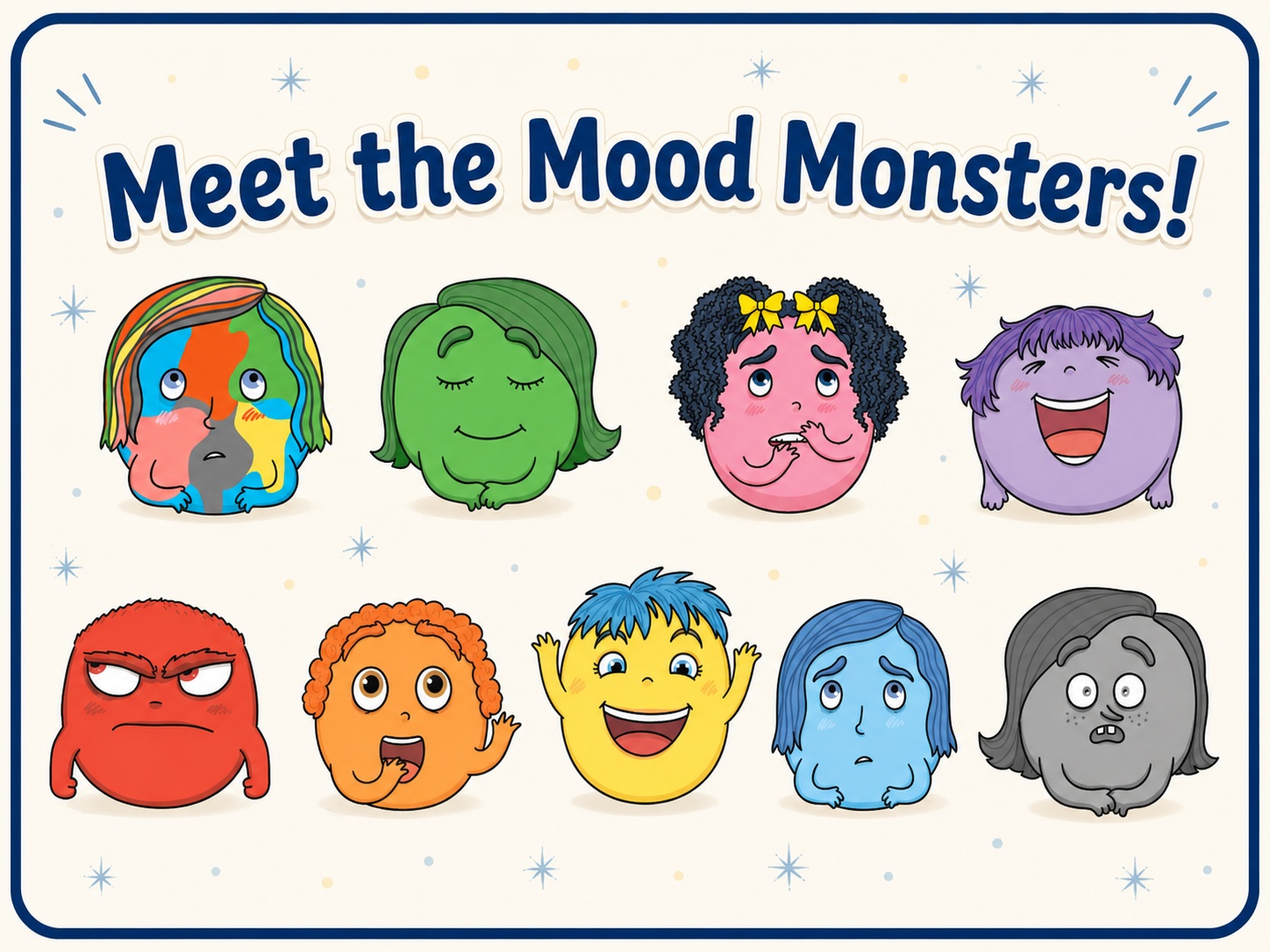
Sometimes a child’s behaviour tells us that something is difficult for them. We try to look beyond the behaviour and think carefully about what the child may be communicating. This helps us to respond with kindness, consistency and appropriate support, while still maintaining clear boundaries and high expectations.
Reasonable adjustments
Some children may need reasonable adjustments to help them access school life fully. These adjustments are planned carefully and reviewed regularly. They may be short-term or longer-term, depending on the child’s needs.
Reasonable adjustments might include changes to the environment, additional visual support, adapted tasks, sensory support, movement breaks, extra preparation for transitions or a more individualised approach to routines.
We work closely with families so that we can understand what helps each child. Parents and carers know their children best, and their views are an important part of planning effective support.
High expectations for all
Being inclusive does not mean lowering expectations. At Woodlands, we want every child to achieve well, develop confidence and become the best me I can be.
We support children in different ways so that they can take part, learn alongside their friends and experience success. We celebrate progress in all its forms, whether that is joining a group activity, using words to explain a feeling, trying something new, becoming more independent or achieving a learning goal.
Every child belongs at Woodlands, and every classroom plays an important part in making that happen.